
Leadership is measured by outcomes. What often goes unseen is how those results are made possible. Consistent, high-quality leadership depends on clarity, emotional steadiness, and the ability to think beyond the immediate moment. When recovery is missing, burnout begins to interfere with focus and emotional bandwidth.
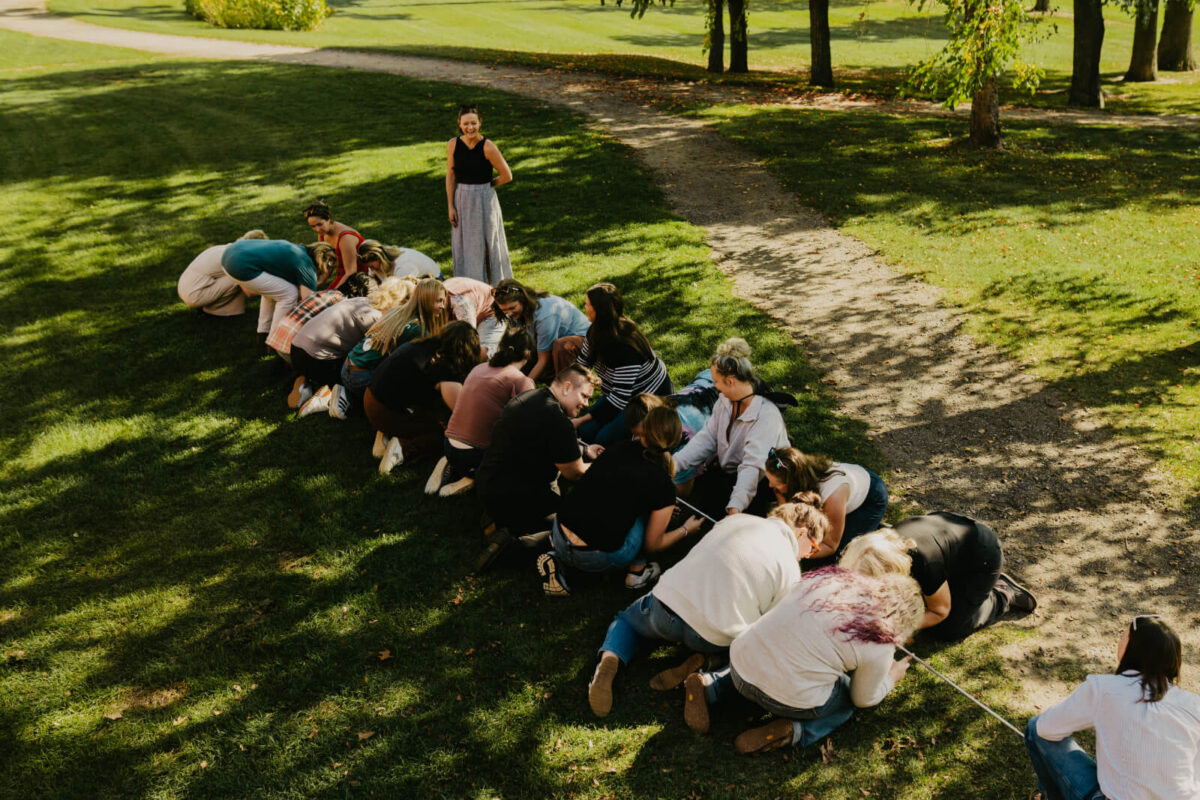
The Sugar Lake Lodge retreat experience combines thoughtful activities grounded in experiential learning with time to pause. Leadership development is designed around balance. This structure creates mental white space—room for leaders to reset perspective, support emotional health, and sharpen focus before returning to complex demands.
Better Outcomes, Better Recovery
Long hours can move work forward. Recovery improves how that work is done.
Leaders who build in time to reset bring sharper attention to complex decisions. They absorb more information, notice subtle dynamics, and choose responses with intention. When recovery is absent, decision-making becomes compressed. Thinking narrows and familiar patterns begin to replace thoughtful evaluation.
For transformational leaders, recovery functions as a performance driver. It strengthens the brain’s ability to integrate information, regulate emotion, and guide others with clarity.
Leadership Under Pressure
Picture two leaders preparing for a pivotal conversation.
One enters after time shaped by reflection and balance. The other arrives after weeks of constant urgency and extended days. Both are experienced. Only one has the capacity to read the room and respond strategically.
That difference shows up in negotiations, board discussions, and difficult conversations where signals are subtle and consequences ripple across the leadership team and organizational culture.
The Emotional Weight of Leading
Leadership carries an emotional load. Guiding teams, holding responsibility, and navigating uncertainty draw on internal reserves. Both mental health and physical health are important.
Without recovery, emotional regulation becomes harder to sustain. Nervous systems stay activated and communication feels hurried. Gaps in emotional awareness begin to shape leadership styles in ways leaders may not immediately notice.
Research consistently points to recovery practices—movement, reflection, and periods of disconnection—as essential for resilience and relational clarity. These practices support emotional health and help leaders remain present and grounded as challenges intensify.
Rest as a Leadership Practice
Rest works best when it is intentional and varied. Different forms of recovery support various leadership capacities:
- Mental rest that helps focus return and thinking feel lighter
- Sensory rest that calms nerves and sharpens awareness
- Emotional processing that supports steadier communication
- Social connection that restores energy and trust
- Creative space that opens new thinking
- Physical renewal that sustains stamina
- Purposeful reflection that reconnects leaders to meaning
Together, these recovery experiences support leadership that feels clear, steady, and aligned, especially during stressful periods or organizational change.
Small Pauses, Real Impact
Recovery does not require long absences to be effective. Brief pauses built into the day make a measurable difference.
Standing between sessions, stepping outdoors, or taking a few quiet minutes after a demanding meeting allows one conversation to settle before the next begins. These moments reduce mental carryover and help preserve emotional bandwidth throughout the day.
Designing Leadership Rhythms
Effective leaders plan recovery with the same care they give strategy.
Daily patterns balance focused work with short resets. Weekly patterns include protected time away from operational demands. Seasonal patterns follow intense planning cycles with space for reflection and recalibration.
At Sugar Lake Lodge, the Northwoods setting supports this approach. Time outdoors complements structured dialogue. Stillness balances momentum. The environment encourages leaders—and entire leadership teams—to work with intention.
The Ripple Effect on Teams
Leadership behavior shapes team culture. When leaders model thoughtful pacing, each team member experiences steadier engagement and clearer communication.
Shared practices, quiet hours, meeting-free blocks, and intentional pauses create conditions where people think more clearly and collaborate more effectively. These rhythms begin to strengthen organizational culture and sustain performance.
Signals of Sustainable Leadership
The impact of recovery shows up in practical ways:
- Decisions move forward with clarity
- Rework decreases
- Engagement remains steady during demanding periods
- Leadership teams stay connected and aligned
- Execution improves after intense work cycles
These signals reflect leadership systems designed to support long-term effectiveness.
Leadership That Lasts
Leadership lasts when the pace supports the person leading. When rest is used as a strategy, burnout begins to fall away, and leaders regain the energy and wellbeing their roles require. Sugar Lake Lodge retreats build recovery time into every experience.
Leadership grows stronger when rest is part of the work.
Explore a leadership retreat at Sugar Lake Lodge and create the conditions for sustainable results.