
Imposter syndrome often rises in the presence of real capability. It shows up as second-guessing a sound decision or overpreparing for conversations you are already equipped to lead. It can feel like standing steady on the outside while carrying uncertainty within.
This inner tension can appear as a low, constant undercurrent of anxiety. Sustained stress keeps the brain alert and reactive, draining energy and making calm judgment and perspective harder to access. Even moments of success are quickly followed by new demands and preparation for what comes next.
When leaders move without pause, uncertainty finds a foothold.
Today’s leadership culture rewards momentum. Full calendars and rapid decisions keep leaders in continuous action. Moving from meeting to meeting, attention residue begins to gather as the mind carries unfinished threads forward.
As this cycle repeats, confidence and self-esteem can feel more distant. Cognitive depletion sets in, resilience thins, and leaders drift away from the internal steadiness that once guided them.
This is where the power of pause becomes essential.
How Pace Shapes Perception
When attention stays trained outward, perspective can feel out of reach. Accomplishments blur together, and progress slips by without being noticed. Leaders begin keeping score through narrow measures of competence—precision, knowledge, independence, speed, or sheer capacity. The mind stays switched on long after the day ends, while the body does the accounting through tension, shallow breath, and restless sleep.
When experience stacks up without reflection, imposter thoughts grow louder. Anxiety fills the space where meaning belongs.
Stillness creates room to meet it.
Stillness as a Leadership Practice
Stillness restores balance in systems shaped by urgency. A pause allows the nervous system to settle and move out of constant threat scanning. Practices rooted in mindfulness, including deep breathing that slows the breath and lengthens the exhale, provide essential nervous system support and help restore energy.
As leaders slow down, they begin separating facts from fear. Self-doubt becomes easier to recognize as comparison, not truth. Stillness strengthens presence and becomes a foundation for mindful leadership.
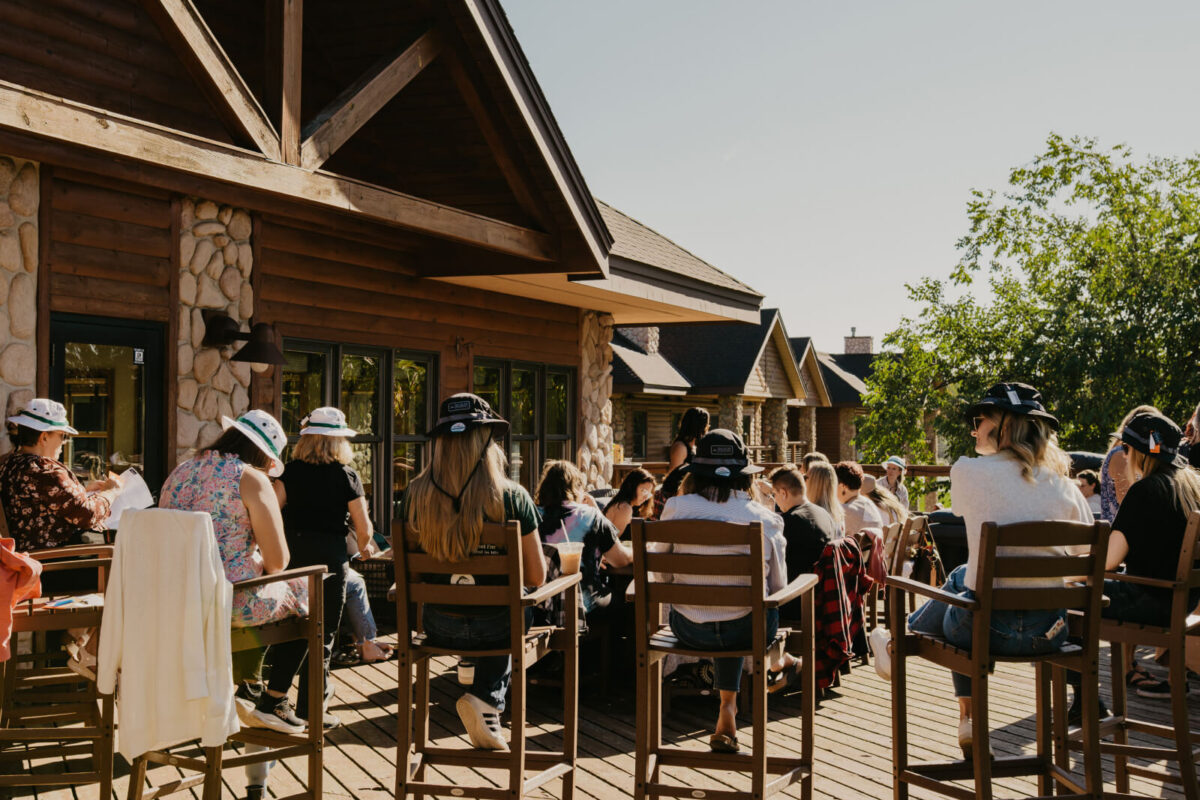
At Sugar Lake Lodge, this clarity often emerges through contrast. Leaders step into moments of challenge shaped by tight timelines, ambiguous problems, and competing priorities. Pressure reveals habits of overthinking and perfectionism. Insight develops in what follows: space to pause, reflect, and make meaning of the experience.
Reflection slows the pace long enough for perception to shift. Stillness turns intensity into learning.
Make Imposter Syndrome Your Superpower
Imposter syndrome shows up right on time, usually alongside growth. New roles expand faster than confidence can keep pace.
Leaders make it a superpower by changing how they read it. With reflection, doubt becomes information. Imposter thoughts turn into cues to pause, get curious, and pay closer attention.
Experiential challenges deepen this shift. As leaders move through complexity without clear answers, confidence develops through action. Reflection helps the brain integrate experience, allowing uncertainty to settle into trust and strengthen resilience.
The Role of Environment
The Northwoods slow things down in the best way. Time near water, the sound of birds, and the rhythm of wind through trees, invite calm and restore depleted energy.
This setting offers natural nervous system support, giving leaders the space to sit with uncertainty long enough for perspective to return. Imposter thoughts lose urgency. Reflection takes hold. Experience has time to integrate. Nature serves as a co-facilitator, creating conditions where self-doubt can be met calmly and transformed into insight.
From Self-Doubt to Self-Trust
Time spent in stillness softens self-doubt and reframes imposter thoughts as invitations to pause. These moments come into focus as a part of growth. Attention shifts toward contribution and shared purpose, and self-esteem rises into view through impact and connection.
With practice, stillness becomes a meaningful leadership strategy that supports clarity and renewed energy. Leadership begins to feel more relaxed and confident.
Creating Space for What Is Already There
Stillness clears the noise so leaders can hear themselves think. When leaders slow down, clarity catches up. Decisions feel grounded, conversations carry presence, and leadership stops feeling like performance. The balance of challenge and reflection supports leaders in reconnecting with what they already carry and leading from that place.
Create space for what’s already there. Explore leadership retreats at Sugar Lake Lodge.